











The International Holocaust Remembrance Day is on January 27th, a day to commemorate the victims of the Holocaust. This day was chosen because it is the anniversary of the liberation of the Auschwitz-Birkenau concentration camp by Soviet troops. It globally recognizes the victims and survivors of the Holocaust and fights against racism and antisemitism. There are worldwide events and organizations that support this day. This year, January 27th, 2026, is the 80th anniversary of the liberation of Auschwitz Birkenau, in which the United Nations will hold a ceremony featuring survivor testimonies. Museums in New York City and Washington, DC, feature ceremonies, as well as the Holocaust Museum in Los Angeles that holds a film screening on January 29th.
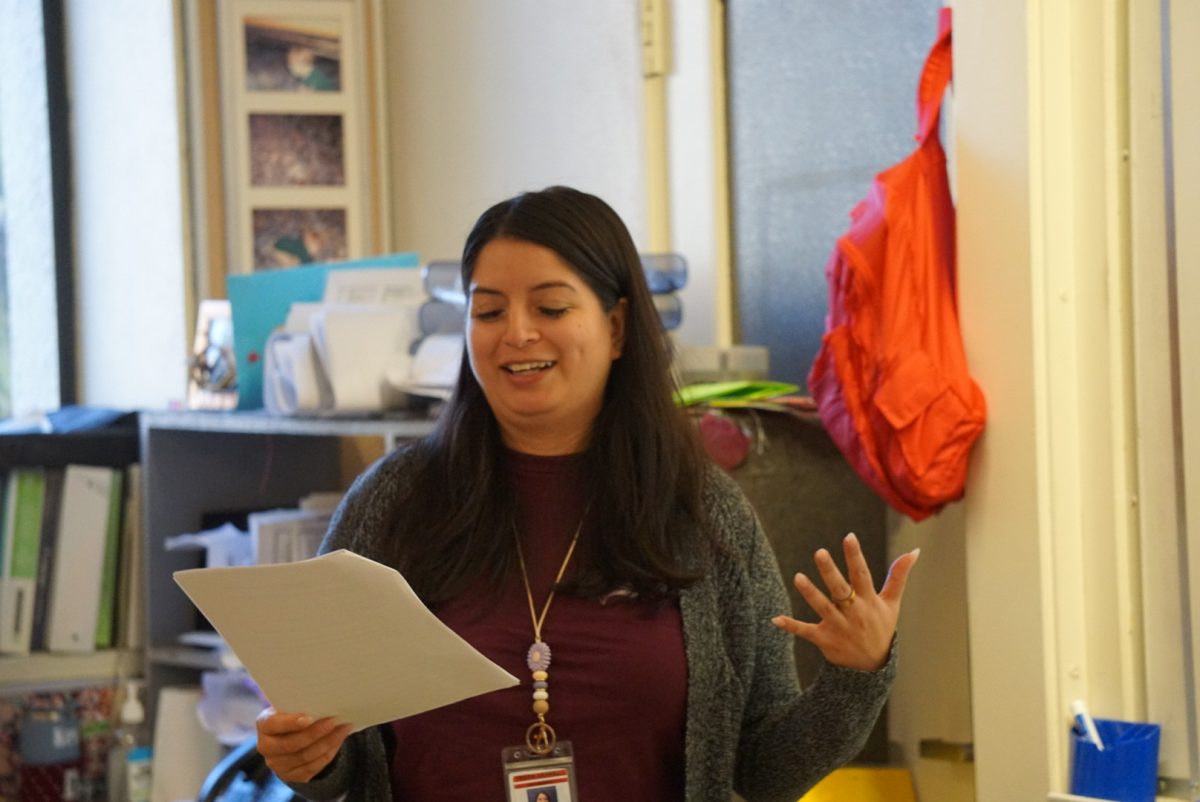
Daniel Mattey, a history teacher at Keppel, recognized it is important to notice the signs of what led to the Holocaust and what could have been done to prevent it.
He expressed, “It is especially important in the times we are living in right now, [with] the rise of facism in our nation.”
This day can also allow us to be more aware and active in speaking out against hatred in our country and other countries around the world. Mattey stated that a day like remembrance day “is only the beginning.” Mattey also acknowledges we should be spreading more awareness and teaching future generations that “genocide is genocide.” There are still antisemitic incidents today that happen globally, which is why this will always matter beyond history class and in the outside world.
If you’re looking to celebrate this day of remembrance, you can attend events, speak out against inequality, or educate yourself about the matter. The United States Holocaust Memorial Museum featured survivors of the Holocaust on their First Person Podcast Series, where a Holocaust survivor, Henry Greenbaum, shared, “So, before I leave this world, I hope, I hope, that you all can take over, and don’t let it happen to anyone. Don’t discriminate against anybody. Don’t hate anybody. You saw what hatred can do.”
Remembering this day isn’t just about honoring the past, but it is also about preventing future genocide. It is about learning how to recognize signs of hatred and grow as a better society. Younger generations must move forward with their stories of injustice as survivors’ voices fade. By remembering these victims, standing up for one another, and listening to victims, society can prevent atrocities like the Holocaust. Remembrance calls for action to honor the courage of survivors.